
Christian Easter Camps in New Zealand – What to Expect and How to Find One
Christian Easter camps in NZ are one of the biggest highlights on the youth calendar. Every year, thousands of teenagers from across Aotearoa pack a sleeping bag, grab their mates, and head to camp for a long weekend of worship, adventure, late-night conversations, and friendships that often last well beyond the final day. Whether you have been part of a youth group for years or you are only just exploring faith, Easter camp is one of the best places to experience Christian community firsthand.
This guide covers everything you need to know about Easter camps in New Zealand, from what actually happens at camp to how much it costs, what to pack, and how to find one near you.
What is a Christian Easter camp?
A Christian Easter camp is a residential youth event held over the Easter long weekend, typically running from Thursday or Friday through to Monday. Camps are organised by churches, denominations, and youth ministry organisations, and they bring together young people from multiple youth groups into one large gathering.
Easter camps in New Zealand have deep roots. Baptist youth groups were among the first to run them as far back as the 1910s, and the tradition has grown steadily since. Today, camps like Southern Easter Camp in Christchurch attract over 3,500 teenagers, while Northern Easter Camp at Mystery Creek in Hamilton draws more than 4,000 from across the North Island.
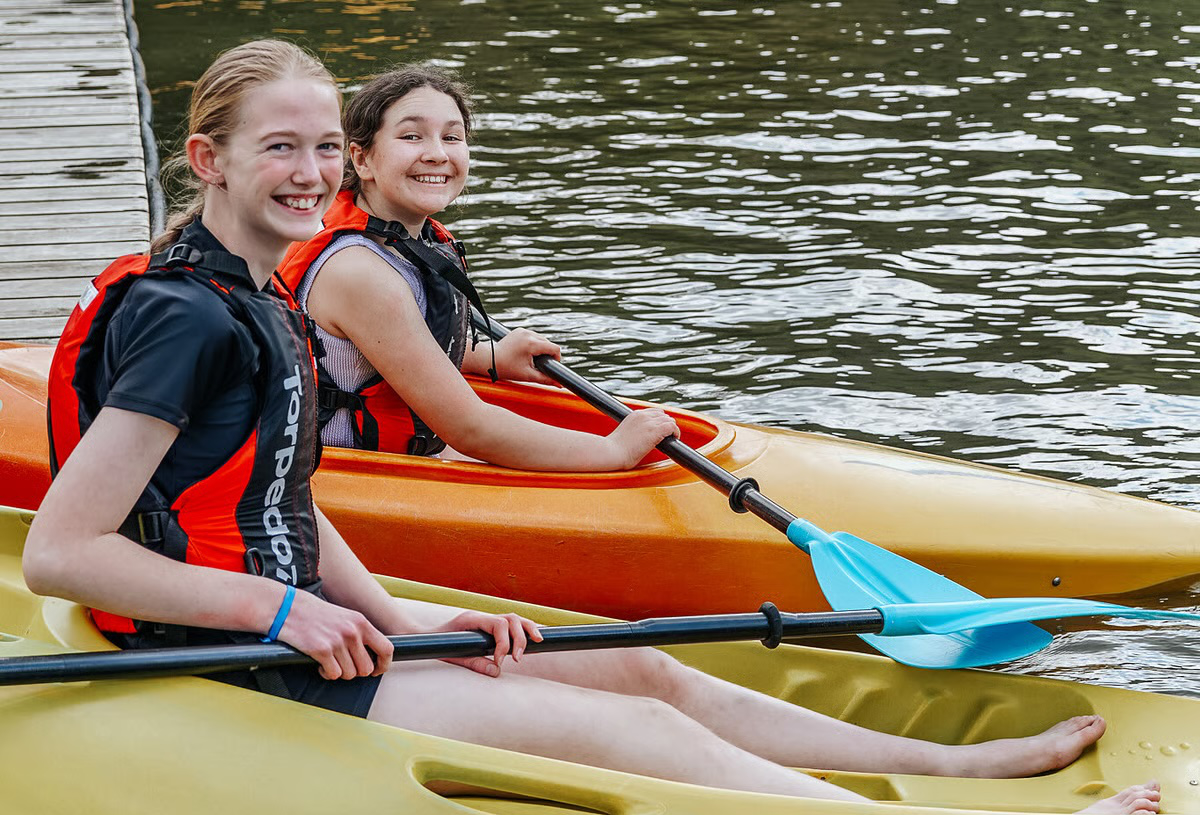
The camps are built around a mix of worship sessions with live music and guest speakers, outdoor and indoor activities, sports competitions, creative workshops, and plenty of unstructured time for hanging out with friends. The Easter story sits at the heart of the programme, but the experience is far from a church service on repeat. Think food trucks, skate ramps, carnival rides, talent quests, mud pits, and late-night village hangs.
What happens at Easter camp in NZ?
Every Easter camp has its own flavour, but most follow a similar rhythm. Mornings and evenings typically include large group sessions with worship music, a guest speaker, and time for reflection. These are often the moments that stick with people the most, where the energy in the room shifts and real conversations about faith begin.
Between sessions, the rest of the day is yours. Camps offer a wide range of activities depending on the venue and the organisers. Common options include sports tournaments (rugby, touch, basketball, netball, volleyball), creative arts workshops, seminars on relevant topics, outdoor adventure activities, open mic and talent competitions, and themed nights. Some camps also run quieter pastoral spaces where young people can talk through what they are processing with a leader they trust.
You attend Easter camp as part of a registered youth group, not as an individual. Your youth leaders stay with you the entire time, from setting up camp to meal times and evening sessions. Most groups set up their own tent village, which becomes your home base and crew hangout for the weekend.
Who can go to Easter camp?
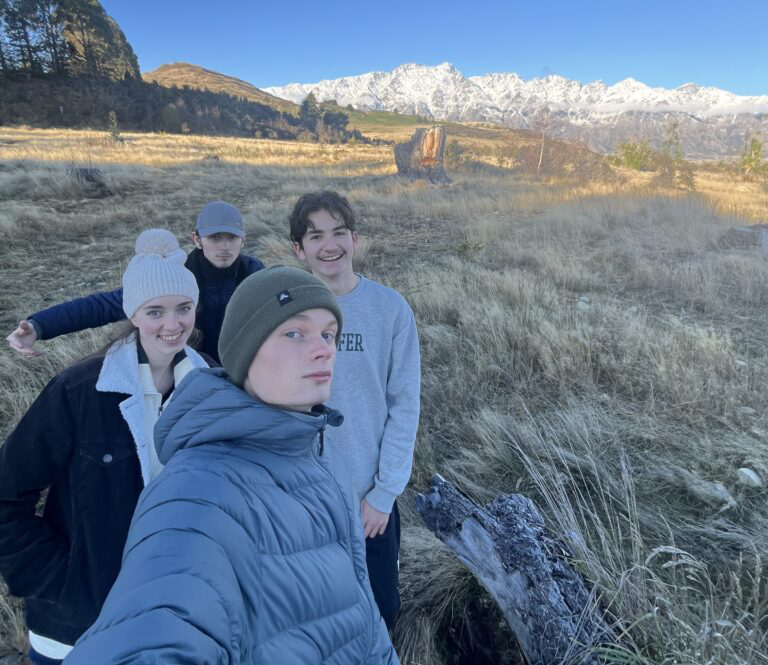
Most Easter camps in New Zealand are open to high school-aged young people, generally from Year 9 upwards. Some camps run separate programmes for intermediate-aged youth (Years 7 and 8), such as E-Camp in the North Island. There are also family-focused Easter camps at venues like Totara Springs in the Waikato, which cater to all ages.
You do not need to be a committed Christian to attend. Many young people go to Easter camp out of curiosity, because a friend invited them, or simply because it sounds like a good time. Camps are welcoming environments and no one will pressure you into anything. That said, the programme does centre around the Christian faith, so expect worship, teaching, and conversations about Jesus to be part of the experience.
To attend, you will need to be connected to a youth group that is registering for camp. If you are not currently part of one, check out our guide to finding a youth group near you in NZ]or browse youth events in your region on Walk’n On Water.
How much does Easter camp cost?
Costs vary depending on the camp and when you register. As a general guide, prices in 2026 range from around $80 for smaller regional camps to $250 or more for the larger national gatherings. Most camps offer early bird pricing that can save you $30 to $60 if you register well in advance.
The ticket price typically covers accommodation (camping or cabin-based), all meals, activities, and the full programme. Some extras like merchandise, food trucks, or specific adventure activities may cost additional.
If cost is a barrier, talk to your youth leader. Many churches have sponsorship funds specifically to help young people attend camp, and several camp organisations maintain their own financial assistance programmes. The consistent message across every Easter camp in New Zealand is that no one should miss out because of money.
What to pack for Easter camp
What you need depends on the camp, but the essentials are fairly consistent across most Easter camps in NZ:
Bring a sleeping bag and pillow, a tent or confirmed space in one (check with your youth leader), warm layers and waterproof gear (April weather in New Zealand can be unpredictable), old clothes and shoes for messy activities, togs and a towel, toiletries including sunblock, a torch, any essential medications, a Bible and notebook if you have them, and some spending money for food trucks or merch.
Leave at home anything that could get you sent home: alcohol, drugs, vaping gear, and weapons are banned at every camp. Most camps also discourage bringing high-value electronics.
If you do not have a Bible of your own, you can get a free Bible delivered to your door anywhere in New Zealand through Walk’n On Water before camp.
How to find a Christian Easter camp near you
The easiest way to find an Easter camp is through your local youth group or church. Most churches that run youth programmes will be connected to a regional Easter camp and handle registration as a group.
If you are not currently part of a youth group, here are some options to explore. Baptist Youth Ministries coordinates several camps across both islands, including Northern Easter Camp (Hamilton), Central Easter Camp (Waikanae), and Southern Easter Camp (Christchurch). Anglican, Presbyterian, and other denominations run their own camps in various regions. Independent camps like Risen Camp (Kaiapoi) and Christian Surfers Easter Camp also welcome young people from any church background.
Browse upcoming youth events near you on Walk’n On Water to see what is available in your area, or use our church finder to connect with a local church that can help you get to camp.
Is Easter camp safe?
Safety is taken seriously across every Easter camp in New Zealand. Young people attend as part of a registered youth group with vetted leaders who are responsible for their group throughout the entire event. Behind the scenes, camp organisers run dedicated health and safety teams, pastoral care support, on-site first aid, and 24-hour security.
Parents can contact camp organisers in an emergency, and most camps have a direct phone line or email monitored throughout the event. Cellphone coverage can be patchy at some venues, so check in advance if that matters to you.
Frequently asked questions about Christian Easter camps in NZ
How much does Easter camp cost in New Zealand?
Prices typically range from $80 to $310 depending on the camp and registration timing. Early bird tickets offer the best value. Sponsorship and financial assistance are widely available through churches and camp organisations.
What age is Easter camp for?
Most Easter camps are for high school-aged young people (Year 9 and above). Some camps run separate programmes for intermediate-aged youth, and family camps cater to all ages.
Do I need to go with a youth group?
Yes. Easter camps require you to attend as part of a registered youth group with leaders. If you are not in a youth group yet, find one near you through Walk’n On Water and connect before registration opens.
What if I cannot afford to go?
Talk to your youth leader. Churches and camp organisations have sponsorship funds specifically for this. The expectation across the board is that cost should never stop someone from attending.
Can I go if I am not a Christian?
Absolutely. Easter camps welcome everyone regardless of where they are on their faith journey. You will not be pressured, but the programme is built around the Christian faith, so expect worship and teaching to be part of the experience.
What should I pack for Easter camp?
Sleeping bag, pillow, tent or tent space, warm and waterproof clothing, old clothes for activities, togs, toiletries, torch, medications, Bible if you have one, and spending money. Leave alcohol, drugs, vapes, and valuables at home.