

Turning water into wine at a wedding in Cana
A Miracle at a Wedding
Ask most people to name a miracle and they will say something huge. Walking on water. Healing someone blind. Raising the dead. The first one recorded is nothing like that. It happens at a party, in a small town nobody has heard of, and it solves a problem that is mildly embarrassing at worst.
What was Jesus’ first recorded miracle, and where did it happen?
👉 Turning water into wine at a wedding in Cana.
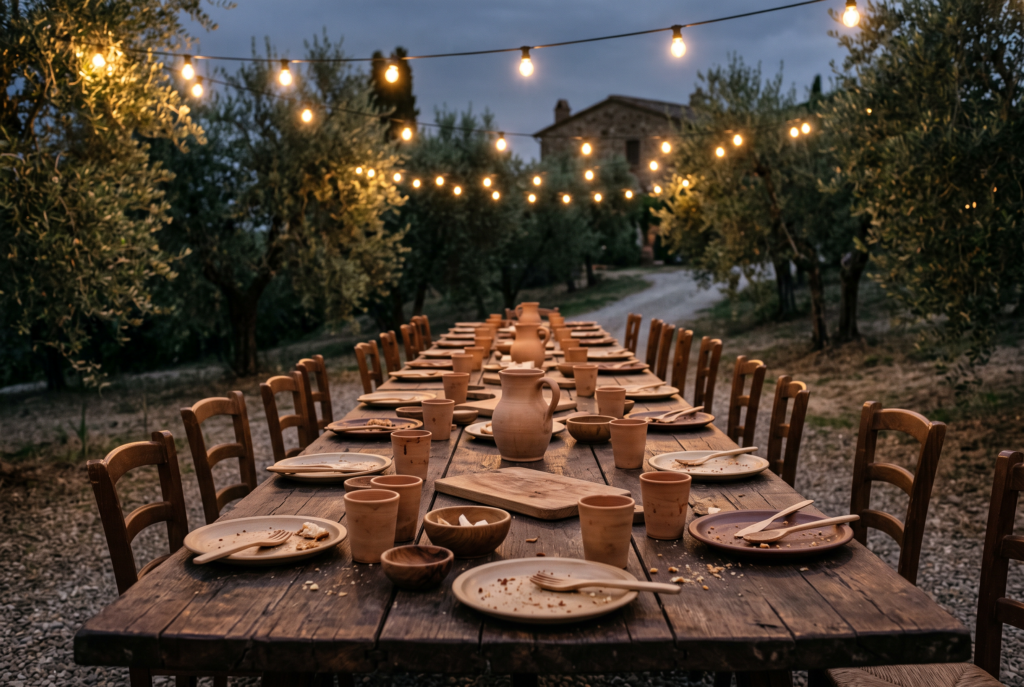
Not in a temple, and not in front of a crowd
The story is in John, chapter 2.
Weddings back then were not an afternoon. They ran for days, sometimes a full week, and the whole village came. Feeding and watering that many people for that long was the host family’s responsibility, and everyone knew it.
Then the wine ran out.
Today that is annoying. Then, it was humiliating. It suggested the family had either misjudged badly or could not afford to do it properly. People would remember it for years. In a village that size, it would follow them.
Jesus is there as a guest, with his mother and some of his friends. His mother notices the problem and tells him about it. He does not seem keen. She ignores that entirely and tells the servants to do whatever he says, which is a very specific kind of confidence.
There are six stone water jars standing nearby, the sort used for ceremonial washing. He tells the servants to fill them with water. They do. He tells them to draw some out and take it to the master of the feast.
The master of the feast has no idea where it came from. He tastes it, then goes and finds the groom to tell him off, in the friendliest way. Normally, he says, you serve the good wine first, and once everyone has had a few you bring out the cheap stuff. You have done it backwards.
Two details are worth sitting with.
Those six jars held around 500 to 700 litres between them. That is an absurd amount of wine for a party that was already winding down.
And almost nobody in the room knew it had happened. The servants knew. His friends knew. The master of the feast did not. The groom did not. Most of the guests just thought the night had improved.
What we can take from this
The problems that actually weigh on people are usually the ones too small to sound serious out loud.
The first thing he chose to do was not impressive, and it was not public.
Nobody was dying. Nothing was at stake except one family’s embarrassment in front of their neighbours. He could have picked almost anything for a first move, and he picked a social problem at somebody else’s party, then let someone else take the credit.
There is something in that about which problems count as real.
Most of what actually weighs on people is not dramatic. It is the small stuff that would sound silly said out loud. Being the family that ran out. Being the one who got it wrong in front of everyone. Nobody writes a film about that, and it still keeps people awake.
The story does not treat that as too small to bother with. It treats it as the first thing worth doing.
One thing worth sitting with
He had one first move available and spent it on a catering problem, then let the groom take the credit.
You could read that as humility, or as a fairly pointed comment about which problems actually matter to people. The story does not say which.
Something on near you
Most of the good stuff still happens at gatherings rather than in buildings.
Walkn on Water lists free events all over New Zealand, most of them run by people who just wanted somewhere for others to turn up to. See what’s on near you